Honoring the Craft: A Conversation with Chef Chris Ivens-Brown
“When you put on the coat, it means something.”
For Chief Culinary Officer Chris Ivens-Brown, the chef’s coat symbolizes creativity, responsibility, and leadership.
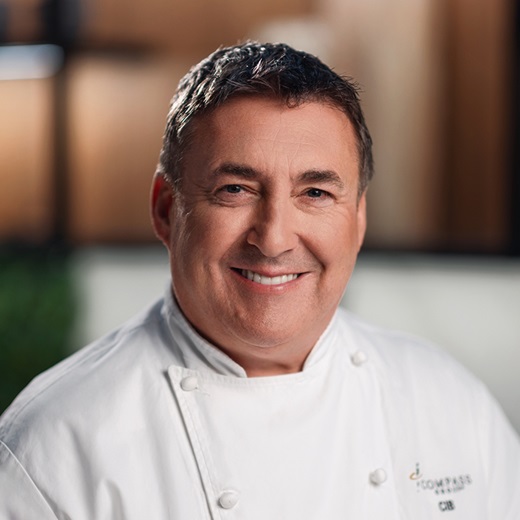 With more than 40 years in the profession, Chef Chris has seen how the industry has evolved, influenced by shifts in culture, media, and even historical events. The future of culinary arts, Chef Chris says, depends on how the industry prepares and supports incoming chefs with mentorship, training, and opportunities to advance.
In this interview, he reflects on the legacy of the craft, the opportunities ahead, and how we can inspire and equip the next generation to wear their coats with pride.
What excites you most about today’s culinary arts industry?
There has never been more interest in food. It’s a part of our culture, our conversations, and our screens. Food connects people. The culinary arts allow us to tell stories, preserve traditions, and even tackle global challenges like health and sustainability. That reach and responsibility is something I take seriously—and it’s what makes this profession so meaningful.
Chefs today are more than cooks; we are innovators, mentors, and leaders in hospitality. That’s something to be proud of.
What do you wish more people understood about the role of a chef?
Chefs have tremendous influence far beyond what is on the plate. It’s more than just thinking about what’s on the menu that day; we have our hands in so much more, whether it’s reducing food waste, feeding communities, educating guests, or shaping an experience. We’re in a position to influence how people eat, think, and feel. That is the responsibility you take on when you wear the chef’s coat and that’s powerful.
And in a company like Compass Group, with 200,000 chefs globally, that impact is magnified.
What are the main challenges facing the culinary arts today?
We’re at an inflection point. Fewer people are entering the field, and many are leaving it altogether. The disruption in hospitality during the COVID-19 pandemic changed the industry in ways we’re still navigating. Culinary schools have closed and the traditional path to becoming a chef is less defined.
Meanwhile, media has made the profession more visible but not always accurately portrayed. What people see online or on television often skips the fundamentals—the hard work, the long hours, the craft.
But I see opportunity here. This is our moment to reshape what the path looks like and make it more accessible, supported, and sustainable for those who want to build a career in culinary.
In your view, what steps are essential to strengthen and sustain the culinary profession?
This is one of my top priorities in my role. We’re investing in people, not just positions. That means creating more entry points into the profession and offering more support once someone is in it. As an industry, we need flexible pathways that still teach fundamentals, but account for on-the-job growth.
One way we’re doing that is through The Culinary Academy, a multi-weekend training program that brings Eurest chefs together from across the country. It’s immersive, hands-on, and focused on both skill-building and connection.
We’re also using programs like our Global University for Lifelong Learning (GULL) program, to open doors for frontline team members–cooks, cashiers, sous chefs–who want to grow into leadership roles. It’s also about recognizing your chefs and keeping them energized. Talent needs to be seen, guided, and encouraged. A conversation with a leader, a moment of praise, a clear next step – those things can change someone’s career trajectory.
What advice do you have for someone considering a career in culinary?
Start with passion. Then be willing to learn everything you can.
I started my career in London in the 1980s–a very different time. The path to becoming a chef was clearer but I’ll be honest, it wasn’t glamorous. I was a teenager, training in professional kitchens alongside world-class chefs. I struggled and found myself overwhelmed in the early days. I assure you–that part is not my pitch.
Being a chef has taken me to places and positions I didn’t know were possible. I moved to the U.S. to run an executive dining room, and I took every opportunity available to grow. I now lead Compass Group’s Global Culinary Forum and serve as the first chef ever with a seat at the board level. I have the honor of supporting 200,000 chefs globally. This profession can open doors you never imagined. And if I can make it more possible for others to walk through them, that will be my greatest legacy.